Resilience is the ability for athletes to advance despite adversity such as injuries, lost competitions, change of circumstances, and other stressors at the gym, home, and with themselves.
Why is resilience in athletes so important?
To achieve and sustain high performance, athletes have to withstand a wide range of stressors throughout their sporting careers.
Mental health symptoms
46.4% of elite athletes were experiencing symptoms of at least one of the mental health problems
Psychological distress
Psychological distress has a negative impact on sport achievement and psychological well-being
Performance sustainability
Resilience has a significant positive correlation with sport achievement and sustainable high performance
Signs of athletes struggling with mental health
A change in behaviour is often a first sign of mental suffering of an athlete. For example:
Lack of motivation or interest in their sport
Disconnect from or conflict with others
Difficulty staying focused
Feeling overly worried, sad or worthless
Changes in eating habits / Obsession with losing or gaining weight
Moodiness
Finding it hard to cope with pressure
Why are mental health issues of athletes sometimes reported or treated late?
Fear of consequences e.g. having to take a break / leave the team
Stigma – Seeing asking for help as a weakness
Lack of time, due to training sessions and other commitments
No access to mental health support or not sure who to ask
Difficulty in expressing emotions and thoughts
How to build positive mental health in athletes?
Athletes often don’t look for support due to the negative stigma and potentially affecting their team placements. This is why investing in athlete resilience is so important.
Build confidence among your athletes and provide constructive feedback
Educate yourself and your athletes about mental health
Encourage your athletes to talk about their feelings and provide them with support
Teach them coping skills to become more resilient
Provide scenarios for them to anticipate and improve problem solving skills
Make sure they eat healthy and sleep well
Let your athlete rest until fully recovered after an injury
Develop coping strategies to become mentally stronger
Resilience is a process which is built up by an individual over time
Examples of improved resilience in athletes
Resilient athletes perform better
Mental health
Manage stress
Reduce anxiety
Stay optimistic
Manage change & setbacks
Physical health
Less fatigued
Better sleep hygiene
Consistent eating habits
Psychosocial
Greater emotional intelligence
Can deal with difficult people
Improved communication skills
Sport club's performance
Boost athlete success & retention
Better ability to attract new talent
Higher potential return
How to build resilience in athletes?
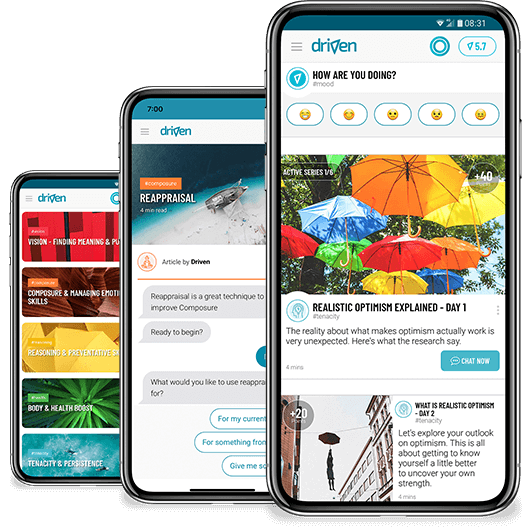
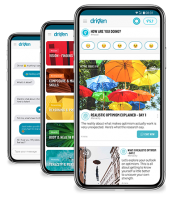
Meet Driven
Chat
Chat 24/7 with our AI-bot to cope with ever increasing demands and other daily stresses.
Learn
Access hundreds of engaging activities that are scientifically validated to help you be your best self every single day.
Track
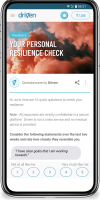
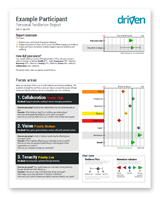
Identify strengths & weaknesses, get personalised activities & measure results.